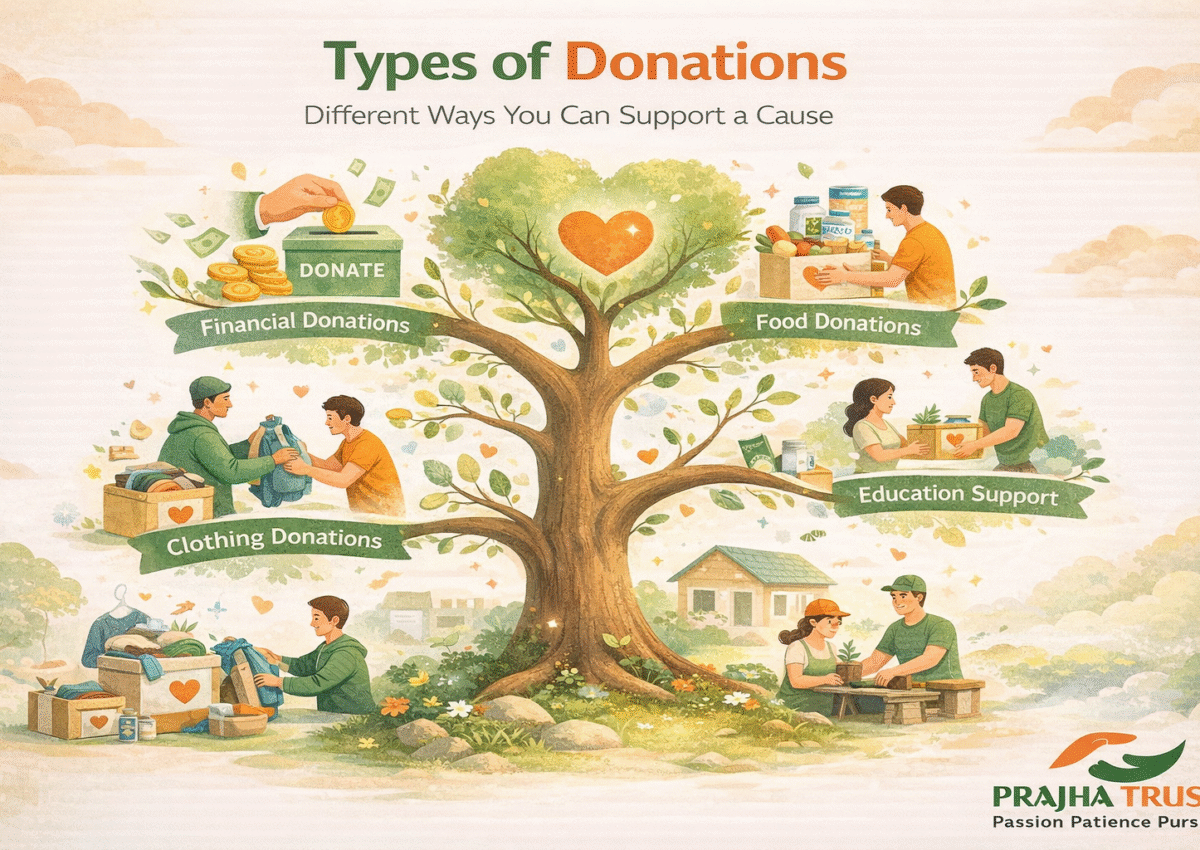
When people hear the word donation, they often think about giving money to a charity. While monetary contributions are common, there are actually many types of donations that help nonprofit organizations carry out their work. From recurring financial support to donating goods, time, or skills, each form of contribution plays an important role in strengthening communities.
Nonprofit organizations rely heavily on these contributions to run programs, provide services, and support people in need. Whether it is education, healthcare, community welfare, or emergency support, donations help organizations create real impact. Understanding the different types of donations can help individuals choose the best way to contribute to a cause they care about.
In this guide, we will explore the various types of donations, how they work, and how each one helps nonprofits continue their mission. If you’re looking for ways to support social initiatives, you’ll also discover how even small contributions can make a meaningful difference.
What Is a Donation?
A donation is a voluntary contribution given to support a charitable cause, nonprofit organization, or community initiative. Donations can come in many forms, including money, goods, services, or time. The main purpose of a donation is to help organizations provide resources and assistance to individuals or communities who need support.
Charities and nonprofit organizations depend on donations to sustain their programs and expand their impact. In many cases, these contributions fund educational programs, community projects, healthcare support, and other social initiatives. When individuals or businesses donate, they become part of a larger effort to create positive change in society.
Understanding the different types of donations allows donors to choose the option that aligns best with their values, financial situation, and personal interests.
Main Types of Donations
There are several ways people can contribute to nonprofit organizations. Each type of donation serves a unique purpose and helps organizations operate more effectively.
Monetary Donations
Monetary donations are the most common type of charitable contribution. These donations involve giving money directly to a nonprofit organization to support its programs and initiatives. Financial contributions allow organizations to allocate resources where they are needed most, making them one of the most flexible forms of support.
Many charities now make it easy to contribute through online platforms, bank transfers, or digital payment methods. Even small contributions can collectively make a significant difference when many individuals participate. If you wish to support community initiatives, you can make a direct contribution through the Prajha Trust donation page, helping fund programs that benefit people in need.
Recurring Donations
Recurring donations are ongoing contributions made regularly, such as monthly or yearly. Instead of making a one-time gift, donors commit to providing consistent support over time. This type of donation is extremely valuable for nonprofit organizations because it helps them plan long-term programs and manage resources more effectively.
When donors contribute regularly, charities can create sustainable initiatives that provide continuous support to communities. Even modest monthly contributions can add up and help fund educational programs, healthcare assistance, or community development projects.
In-Kind Donations
In-kind donations involve giving goods or physical items instead of money. These donations can include items such as clothing, food supplies, books, school materials, furniture, or medical equipment. Many nonprofit organizations depend on these resources to directly support the communities they serve.
For example, educational organizations may accept school supplies to help students, while relief organizations may accept food or clothing during emergencies. In-kind donations reduce operational costs for nonprofits and ensure that essential resources reach people who need them most.
Corporate Donations
Corporate donations are contributions made by businesses or organizations to support nonprofit causes. Many companies allocate funds as part of their corporate social responsibility (CSR) initiatives, helping address social challenges while contributing to community development.
These donations can take several forms, including direct financial contributions, sponsorships, employee donation programs, or partnerships with nonprofit organizations. Corporate donations often help fund large-scale initiatives and community programs that benefit thousands of people.
Stock or Asset Donations
Some donors choose to contribute assets such as stocks, securities, or property instead of cash. These types of donations are often used by individuals who wish to support a charitable cause while also receiving potential tax benefits.
When assets are donated to nonprofit organizations, they can be converted into financial resources that help fund various programs. Although this type of donation is less common than monetary contributions, it can provide significant support to charitable organizations.
Planned or Legacy Donations
Planned donations, also known as legacy donations, involve giving through wills, trusts, or estate plans. In this case, individuals choose to leave a portion of their assets to a nonprofit organization as part of their long-term financial planning.
Legacy donations allow donors to create a lasting impact even after their lifetime. Many people choose this option because it ensures their values and charitable intentions continue to support meaningful causes in the future.
Volunteer Time and Skill-Based Donations
Donations are not limited to money or physical items. Time and expertise can also be valuable contributions. Many nonprofits rely on volunteers who offer their time, skills, or professional knowledge to support various initiatives.
For example, individuals may volunteer to teach students, assist with community events, provide medical services, or contribute technical skills. Skill-based volunteering allows professionals to use their expertise to strengthen nonprofit programs and expand their impact.
Which Type of Donation Makes the Most Impact?
Every form of donation contributes to a nonprofit’s mission, and there is no single “best” way to give. Monetary donations often provide flexibility because organizations can allocate funds where they are needed most. However, in-kind contributions, volunteer efforts, and recurring donations also play a critical role in sustaining programs.
The most impactful donation is often the one that aligns with both the donor’s ability to contribute and the organization’s needs. Consistent support, whether through recurring financial contributions or volunteer involvement, helps nonprofits maintain long-term programs that benefit communities.
For more: Best Ways to Donate to Charity in Chennai (2026 Guide)
How Donations Create Real Impact
Charitable donations directly influence the lives of people who need support. Contributions can help fund education programs for children, provide essential resources for families, and support community initiatives aimed at improving living conditions.
Organizations like Prajha Trust work to support social welfare initiatives that benefit communities in meaningful ways. Through donations, these organizations can expand their outreach, launch new programs, and continue helping people overcome challenges.
Every donation, regardless of size, contributes to a larger effort to build stronger and more supportive communities.
How You Can Make a Difference Today
If you’re looking for a meaningful way to support social initiatives, contributing to a nonprofit organization is one of the most effective ways to create impact. Donations help organizations continue their work, reach more people, and build sustainable programs that improve lives.
You can support community initiatives by making a contribution through the Prajha Trust donation page. Whether it’s a one-time gift or a recurring contribution, every donation helps create opportunities for positive change.
Conclusion
Understanding the different types of donations helps individuals discover new ways to support causes they care about. From monetary contributions and recurring donations to volunteering time and donating goods, each form of giving plays an important role in strengthening nonprofit efforts.
Charitable organizations depend on the generosity of individuals and communities to continue their work. By choosing a donation method that suits your ability and interests, you become part of a collective effort to create meaningful change.
Every act of giving, no matter how small, has the power to make a lasting impact.