
Starting school is an important milestone in every child's life. It introduces new experiences, friendships, learning opportunities and daily responsibilities. However, for some autistic children, entering a new school environment can also bring challenges related to communication, sensory experiences, unfamiliar surroundings and changes in routine.
As a parent, you may wonder whether your child will feel comfortable in the classroom, communicate their needs effectively or adjust to the school environment.
Preparing an autistic child for school involves understanding their individual needs, building familiarity with the environment and working closely with teachers to create a supportive learning experience.
With thoughtful planning, appropriate support and patience, parents can help their children approach school with greater comfort and confidence.
In this guide, we explore ten practical autism school readiness tips that parents can use to prepare their children for a positive school experience.
Why Is School Preparation Important for Autistic Children?
Autism is a neurodevelopmental condition that influences how individuals communicate, process sensory information and experience the world around them.
Every autistic child has unique abilities, interests and support needs. Some children may communicate confidently but find noisy classrooms overwhelming. Others may benefit from alternative communication methods or additional guidance when transitioning between activities.
Starting school introduces several unfamiliar experiences, including new teachers and classmates, classroom expectations, school assemblies, transport arrangements and changes in daily schedules.
Preparing children for these experiences can help reduce uncertainty and make it easier for families and educators to identify appropriate support.
School readiness is not about making autistic children behave like their peers. Instead, it focuses on ensuring that the learning environment recognises their needs and provides meaningful opportunities for participation.
1. Introduce Your Child to the School Environment Early
One of the most helpful ways to prepare an autistic child for school is to make the new environment familiar before the first day.
Unfamiliar buildings, crowded corridors and new faces may feel overwhelming for some children.
If the school permits, arrange a short visit before classes begin. Allow your child to explore important areas such as the classroom, playground, toilets, drinking-water area and school entrance.
During the visit, introduce your child to their teacher and show them where they can keep their school bag and personal belongings.
Parents can also take photographs of the school building and classroom, with permission, to review at home.
Repeated exposure to familiar images may help some children better understand what to expect when school begins.
Avoid forcing the child to explore unfamiliar areas if they show signs of distress. Allow them to become comfortable at their own pace.
2. Create a Simple School-Day Visual Schedule
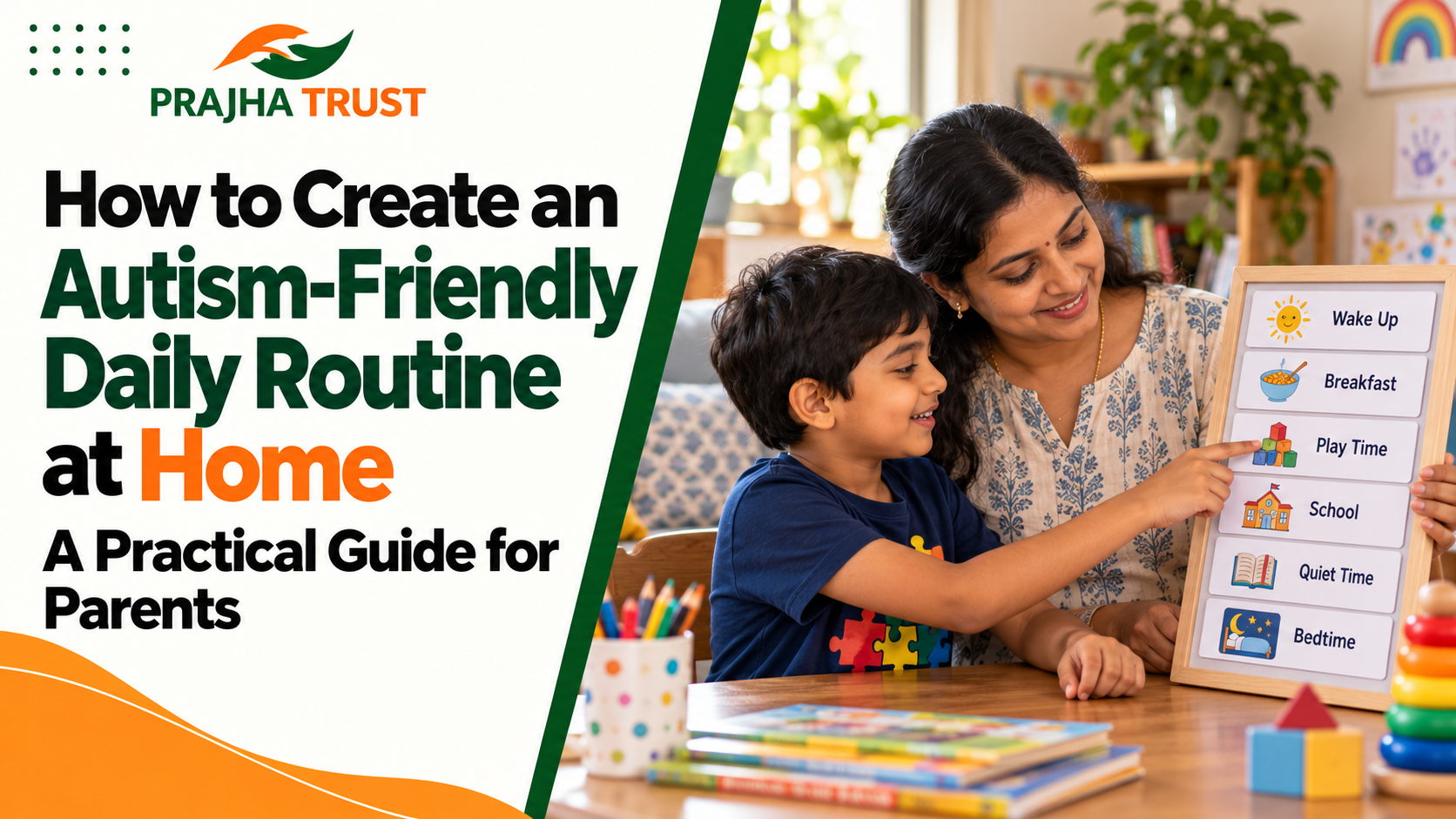
Visual schedules can help autistic children understand the order of activities throughout the school day.
Instead of relying entirely on spoken instructions, a visual schedule uses photographs, illustrations, written words or symbols to represent different activities.
For example, a school-day schedule may include waking up, brushing teeth, getting dressed, having breakfast, travelling to school, attending class and returning home.
Parents can display the schedule in a location where their child can access it easily.
Go through the activities together and explain what will happen next using your child's preferred communication method.
Some children may prefer written schedules, while others benefit from picture cards or digital reminders.
Visual schedules are particularly useful when preparing for changes, such as school events, holidays or a different class timetable.
3. Practise the Morning School Routine at Home
Mornings can involve several activities within a limited period, including getting dressed, eating breakfast, packing a school bag and leaving home.
For some autistic children, completing multiple activities quickly can become stressful.
Before school starts, introduce the morning routine gradually.
Begin by helping your child become familiar with their school clothes, footwear, bag and lunchbox.
If your child finds certain clothing textures uncomfortable, explore suitable alternatives with the school where possible.
You can also practise packing a school bag or walking to the school transport pickup point.
Give your child enough time to complete activities without unnecessary pressure.
The objective is not to follow a perfect timetable. It is to create familiarity and support a comfortable start to the day.
4. Communicate Your Child's Needs to Teachers
Effective communication between parents and teachers plays an important role in supporting autistic children at school.
Before the academic year begins, arrange a conversation with your child's class teacher or special educator.
Share information about your child's strengths, interests, communication preferences and sensory needs.
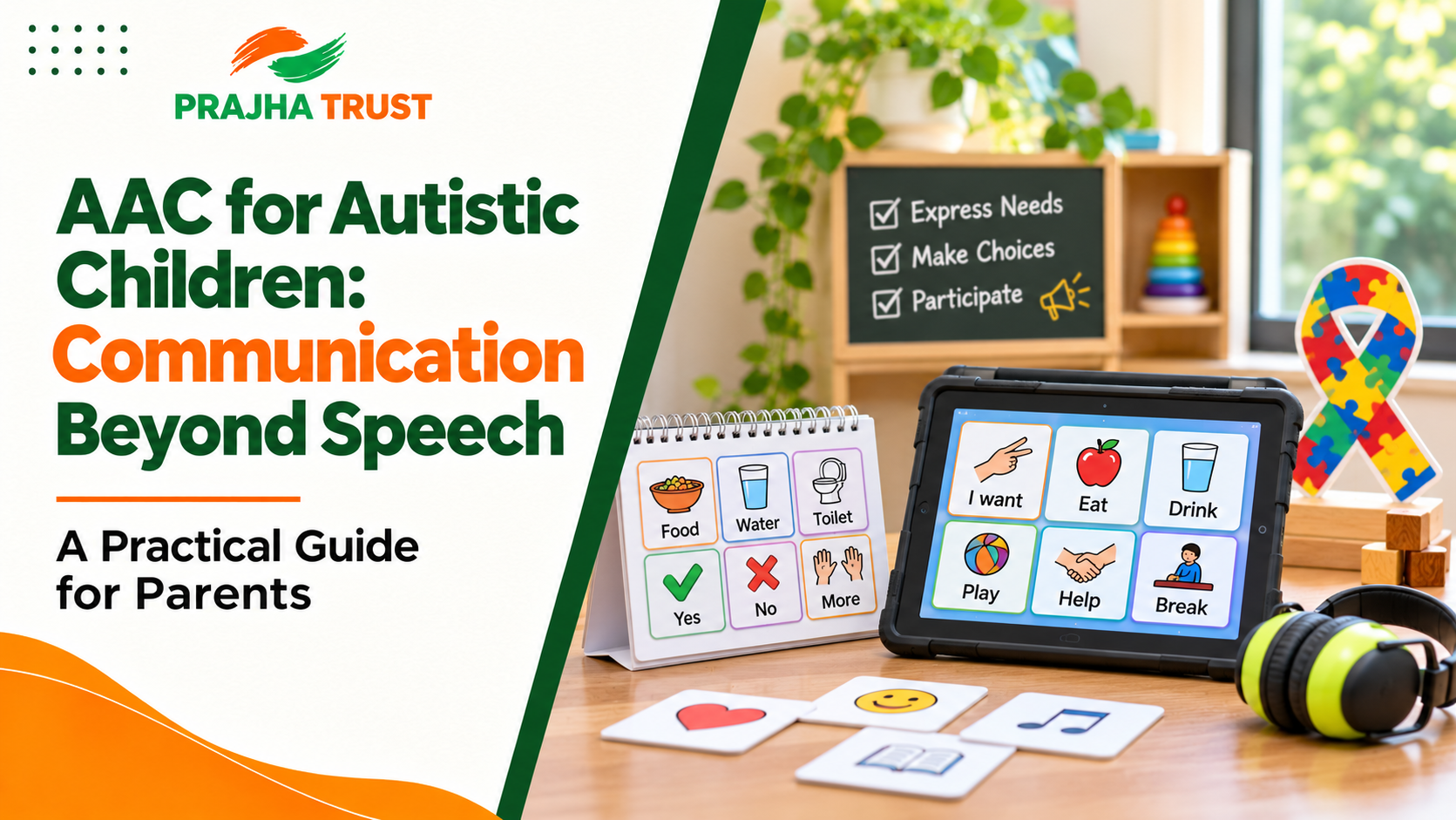
For example, explain whether your child uses spoken words, gestures, pictures or an augmentative and alternative communication (AAC) device.
You can also discuss activities your child enjoys, situations that may cause distress and strategies that help them feel comfortable.
Providing this information can help teachers understand how to support the child during classroom activities and transitions.
Consider preparing a short student profile containing important information that relevant school staff can access.
The goal is to develop a collaborative relationship in which parents and teachers work together to support the child's learning and well-being.
5. Identify Sensory Challenges in the Classroom
School environments can contain multiple sensory experiences, including loud bells, bright lights, crowded assemblies, classroom chatter and unfamiliar smells.
Some autistic children may be particularly sensitive to these experiences, while others may seek additional sensory input.
Parents should observe their child's sensory preferences and discuss them with the school.
For example, a child who finds loud noises uncomfortable may benefit from advance warnings before the school bell rings or access to suitable hearing protection.
Another child may need movement breaks or a quieter location to recover after a busy activity.
Teachers can explore reasonable classroom adjustments based on the child's needs.
It is also important to recognise that sensory preferences may change depending on fatigue, stress and the surrounding environment.
A sensory-friendly learning environment should support comfort and participation rather than forcing children to tolerate distressing situations.
6. Support Communication and Self-Advocacy Skills
Communication is an important part of school participation.
Children need ways to express their preferences, request assistance, indicate discomfort and communicate with teachers and classmates.
For autistic children who experience communication differences, additional support may be beneficial.
Parents can practise useful school-related communication through everyday activities.
For example, help your child communicate messages such as "I need help", "I want water", "I need a break" or "I don't understand".
These messages can be expressed through speech, gestures, picture cards or communication devices.
Avoid insisting that a child must speak verbally if another communication method works better for them.
If your child is receiving speech and language therapy, discuss practical school-related communication goals with the therapist.
The priority should be helping the child communicate effectively and ensuring that adults respond appropriately.
7. Build Familiarity With School Activities Through Play
Play-based activities can introduce children to school experiences in a relaxed and enjoyable way.
Parents can create simple pretend-classroom situations using toys, books, school bags and stationery.
For example, you might practise greeting a teacher, opening a lunchbox, finding a classroom or asking for help.
Children can also explore activities such as drawing, storytelling, building blocks and matching games based on their interests.
These experiences may help build familiarity with classroom materials and everyday learning activities.
However, play should remain enjoyable and child-led whenever possible.
Avoid turning every activity into a structured lesson or expecting a child to complete tasks that are uncomfortable or beyond their current abilities.
8. Prepare Your Child for Social Experiences Without Pressure
School creates opportunities for children to meet new classmates, develop friendships and participate in group activities.
However, autistic children may experience social interactions differently.
Some enjoy group activities, while others prefer smaller groups, one-to-one interactions or independent play.
Parents can help by discussing what happens during classroom activities and introducing simple ways to communicate with peers.
For example, children may benefit from practising how to request a turn, invite someone to play or communicate that they want personal space.
Teachers can also encourage inclusive activities that respect individual preferences.
It is important not to force eye contact, physical affection or participation in social situations that cause distress.
Meaningful social participation should focus on mutual understanding, choice and acceptance.
9. Establish a Supportive After-School Routine
School can be physically and emotionally demanding, especially for children who experience sensory overload or need additional effort to navigate unfamiliar situations.
After returning home, some autistic children may need quiet time before engaging in homework, conversations or other activities.
Parents can create a flexible after-school routine that includes rest, snacks, preferred activities and opportunities to communicate about the day.
Avoid immediately asking several questions if your child appears tired or overwhelmed.
Instead, offer time to relax and connect in a way that feels comfortable.
Some children may enjoy discussing their experiences, while others may prefer drawing, playing or spending time alone.
A supportive after-school routine can help children recover from demanding experiences and prepare for the following day.
10. Work With Professionals When Additional Support Is Needed
Every autistic child has different developmental and educational support needs.
Some may benefit from guidance from speech and language therapists, occupational therapists, special educators or other qualified professionals.
Speech and language therapy can support functional communication, while occupational therapy may address participation in everyday activities and sensory-related challenges.
Special education support can help adapt learning strategies to a child's individual strengths and needs.
Parents may also benefit from guidance on school transitions, communication supports and suitable home activities.
Professional recommendations should be individualised and developed in partnership with the child and family.
There is no single school-readiness approach that works for every autistic child.
School Readiness Checklist for Parents
Before your child's first day of school, consider the following:
Has your child had an opportunity to become familiar with the school environment?
Have you discussed their communication preferences and support needs with the teacher?
Is there a suitable way for your child to communicate discomfort or ask for help?
Have you identified any sensory adjustments that may be necessary?
Does your child know what to expect during the journey to and from school?
Have you discussed supportive strategies for classroom transitions?
Is there a plan for communication between home and school?
These questions can help parents and educators prepare together. Not every item must be completed before school begins, and adjustments can continue throughout the academic year.
Common Mistakes Parents Should Avoid During School Preparation
Comparing Your Child With Other Children
Children learn and adapt at different rates. Comparing milestones or classroom participation may create unnecessary pressure.
Focus on your child's comfort, strengths and individual progress.
Introducing Too Many Changes Simultaneously
Sudden changes to sleep schedules, clothing, food, transportation and daily expectations can be overwhelming.
Introduce new experiences gradually and provide additional time when necessary.
Ignoring Emotional or Sensory Distress
Distress may reflect sensory overload, uncertainty, fatigue, pain or difficulty communicating a need.
Respond with understanding and work with educators to identify and address possible causes.
Expecting Immediate Adjustment
Some children become comfortable quickly, while others need more time and ongoing support.
Progress is not always linear. A difficult day does not mean that a child cannot succeed at school.
Frequently Asked Questions
How can I prepare my autistic child for their first day of school?
Begin by introducing the school environment, creating visual reminders, practising familiar school activities and communicating with teachers. Adjust each strategy according to your child's communication style, preferences and support needs.
Can an autistic child attend a mainstream school?
Yes. Many autistic children attend mainstream schools, sometimes with individualised accommodations and support. The most suitable educational setting depends on the child's needs, available resources, family preferences and relevant educational provisions.
What should teachers know about an autistic child before school starts?
Teachers should understand the child's strengths, interests, communication methods, sensory preferences, learning needs and strategies that support emotional well-being. Collaboration with parents can help create an inclusive classroom environment.
What if my autistic child struggles to adjust to school?
Speak with teachers to understand which experiences may be difficult. Consider changes to classroom expectations, communication supports, sensory accommodations or the transition schedule. If difficulties persist, consult qualified professionals for individualised guidance.
Is early intervention helpful before starting school?
Early intervention may help children and families identify communication, developmental, sensory and daily-living support needs. The specific benefits and appropriate approaches depend on each child's circumstances. The aim is to support participation and well-being rather than to make a child appear less autistic.
Conclusion: Every Child Deserves a Supportive Start to School
Preparing an autistic child for school is a journey that involves patience, collaboration and understanding.
From introducing the school environment and creating visual schedules to supporting communication and sensory needs, small, thoughtful steps can make the transition more manageable.
Most importantly, school readiness should never be measured only by how closely a child follows typical classroom expectations. A truly supportive learning environment recognises individual differences and allows children to participate in ways that respect their needs.
At Prajha Trust, we are committed to creating awareness, supporting families and encouraging inclusive opportunities for children with developmental and learning differences.
Looking for guidance to support your child's development and school readiness?
Explore Prajha Trust's Early Intervention for Autism in Chennai to learn about its developmental support initiatives, communication-focused activities and parent guidance programmes.
Help your child begin their learning journey with understanding, confidence and the right support.
Prajha Trust Clinical Guidance & Support
Every child’s developmental milestones are unique. If you have questions regarding speech articulation, occupational motor therapy, or autism behavioral support, our dedicated clinical specialists are here to guide your family.
About Prajha Trust
Prajha Trust is a registered non-profit organization in Tamil Nadu dedicated to autism spectrum care, early intervention, occupational therapy, and fostering an inclusive society.