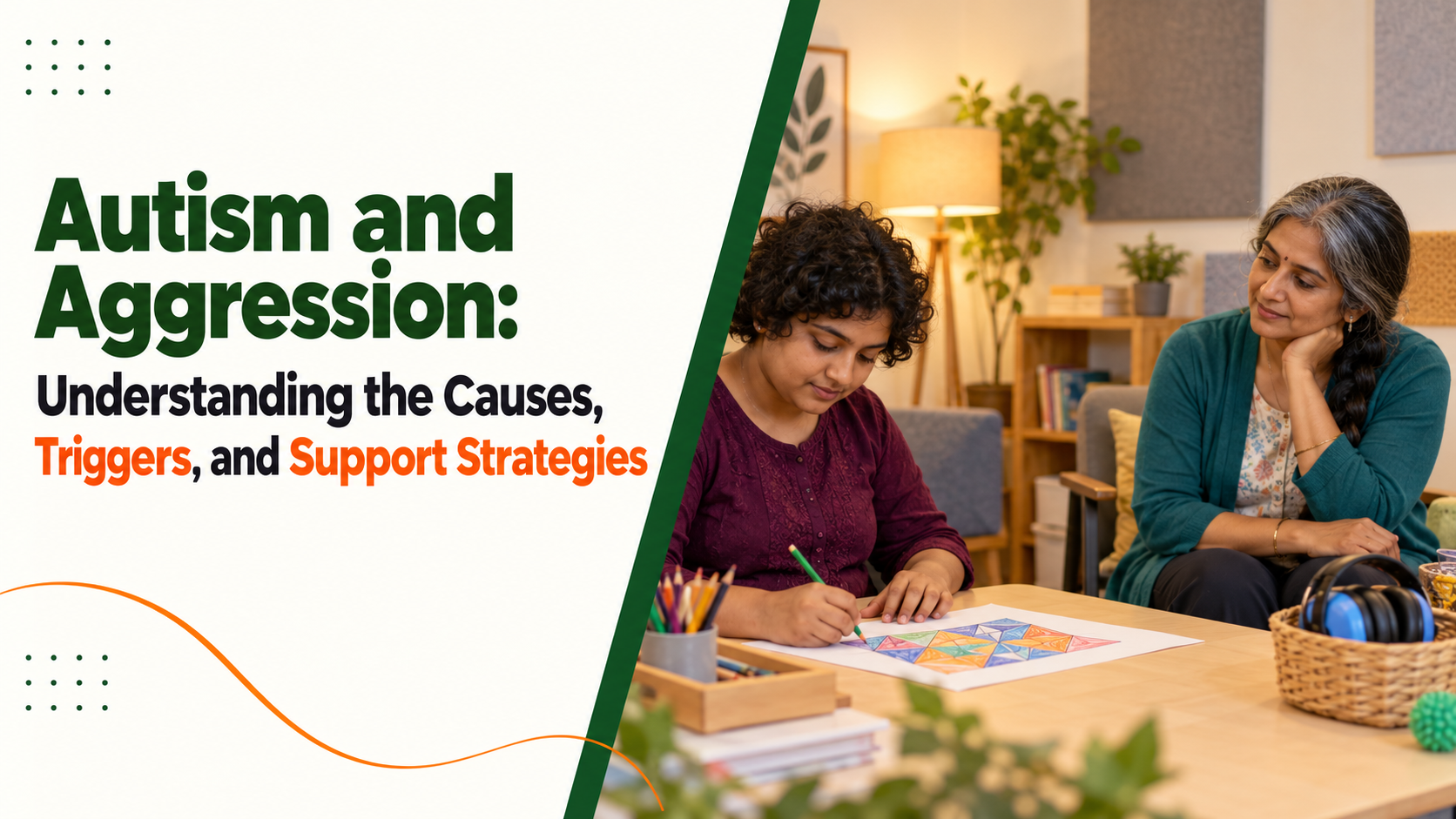
When people hear the words autism and aggression, they often assume that aggression is a common trait of Autism Spectrum Disorder (ASD). This misconception can create unnecessary fear and stigma around autistic individuals. In reality, aggression is not a defining characteristic of autism. Many autistic children, teenagers, and adults are kind, gentle, and empathetic.
However, some individuals with autism may display aggressive behaviours when they feel overwhelmed, anxious, unable to communicate, or are experiencing sensory overload. These behaviours are often a way of expressing distress rather than an intention to harm others.
For parents and caregivers, aggressive episodes can be challenging and emotionally exhausting. Understanding what causes these behaviours and learning how to respond calmly can make a significant difference in supporting an autistic child or adult.
In this guide, we'll explore why aggression may occur in autism, the common triggers behind it, practical ways to manage it, and when professional support may be beneficial.
Is Aggression a Symptom of Autism?
The simple answer is no.
Aggression is not one of the diagnostic symptoms of Autism Spectrum Disorder. Autism primarily affects communication, social interaction, behaviour patterns, and sensory processing. While some autistic individuals may become aggressive, many never experience aggressive behaviours at all.
When aggression does occur, it is usually a response to something the individual finds difficult to manage. This could be frustration from not being understood, discomfort caused by sensory overload, physical pain, anxiety, or a sudden change in routine.
Rather than viewing aggression as "bad behaviour," it is more helpful to see it as a signal that something is wrong. Understanding what the person is trying to communicate is often the key to reducing future episodes.
What Does Aggression in Autism Look Like?
Aggressive behaviour can vary depending on the individual's age, communication abilities, environment, and emotional state. Some behaviours may appear suddenly, while others develop gradually as stress builds.
Common examples include:
- Hitting or kicking
- Biting or scratching
- Throwing objects
- Pushing or pinching
- Hair pulling
- Shouting or screaming
- Damaging objects
- Self-injurious behaviours such as head banging or self-biting
These behaviours can be frightening for families, but they often happen because the individual has reached a point where they cannot effectively communicate or regulate their emotions.
Why Does Aggression Happen in Autism?
There is rarely a single reason behind aggressive behaviour. In most cases, it develops because several factors combine to overwhelm the individual. Understanding these underlying causes is much more effective than simply trying to stop the behaviour itself.
Communication Difficulties
Communication challenges are one of the most common reasons aggression may occur.
Many autistic children struggle to express their needs, feelings, or discomfort. Imagine feeling hungry, scared, or in pain but being unable to explain it to anyone around you. Over time, this frustration can become overwhelming.
For example, a child who cannot communicate that they are thirsty or tired may eventually respond by hitting, crying, or throwing objects. These behaviours are often attempts to communicate rather than acts of intentional aggression.
Improving communication skills through speech therapy, visual supports, or alternative communication methods can significantly reduce frustration over time.
Sensory Overload
Autistic individuals often process sensory information differently from others. Sounds, lights, smells, textures, or crowded environments that seem normal to most people can become overwhelming.
Imagine trying to concentrate while several loud speakers are playing at the same time, bright lights are flashing, and people are constantly touching you. Many autistic individuals experience similar sensory overload every day.
Common sensory triggers include:
- Loud noises
- Bright lighting
- Crowded places
- Strong smells
- Certain clothing textures
- Unexpected physical touch
When sensory overload becomes too intense, aggressive behaviour may become a way of escaping the overwhelming situation.
Changes in Routine
Many autistic individuals find comfort in predictable routines. Knowing what will happen next helps reduce anxiety and creates a sense of security.
Unexpected changes—such as a cancelled outing, a substitute teacher, moving to a new home, or even taking a different route to school—can feel extremely stressful.
When routines suddenly change without preparation, some individuals may struggle to regulate their emotions, increasing the likelihood of aggressive behaviour.
Difficulty Managing Emotions
Emotional regulation can be particularly challenging for autistic individuals.
Feelings like disappointment, fear, excitement, or frustration may become much more intense than they appear to others. Without effective coping strategies, these emotions can build until they result in an aggressive outburst.
Teaching emotional awareness and calming techniques over time can help children gradually recognise and manage these feelings.
Physical Pain or Medical Conditions
Sometimes aggression has nothing to do with autism itself.
An autistic child may become aggressive because they are experiencing pain but cannot explain it clearly. Ear infections, constipation, toothaches, headaches, allergies, sleep problems, or stomach discomfort can all contribute to behavioural changes.
If aggressive behaviour appears suddenly or becomes more frequent without an obvious cause, it is important to consider possible medical issues and consult a healthcare professional.
Anxiety and Stress
Anxiety is common among autistic individuals and can affect daily life in many ways.
New environments, unfamiliar people, social expectations, or uncertainty about upcoming events may cause stress to build throughout the day. As anxiety increases, aggressive behaviour may become an emotional release rather than a deliberate choice.
Supporting emotional wellbeing and reducing unnecessary stress can often decrease aggressive episodes.
Common Triggers of Aggression in Autism
Every autistic individual is unique, so triggers will differ from person to person. However, certain situations are frequently associated with aggressive behaviour.
Some of the most common triggers include:
- Sensory overload from noise or bright lights
- Sudden changes in routine
- Difficulty communicating needs
- Hunger or thirst
- Fatigue or poor sleep
- Illness or physical discomfort
- Waiting for long periods
- Being denied a preferred activity
- Too many instructions at once
- Overstimulating environments
Keeping a simple behaviour journal can help parents identify patterns. Recording what happened before, during, and after an aggressive episode often reveals specific triggers that may otherwise go unnoticed.
Recognising the Early Warning Signs
Aggressive behaviour rarely happens without warning. Most autistic individuals show subtle signs that they are becoming overwhelmed long before an outburst occurs.
Parents and caregivers should watch for changes such as:
- Increased pacing or restlessness
- Repetitive movements becoming more intense
- Covering the ears
- Crying or whining
- Clenched fists
- Heavy breathing
- Avoiding eye contact
- Becoming unusually quiet
- Raised voice or visible frustration
Recognising these warning signs early gives caregivers an opportunity to intervene before emotions become overwhelming.
How Parents and Caregivers Can Respond
When an autistic child becomes aggressive, it is natural to feel worried or frustrated. However, the way adults respond can either calm the situation or unintentionally make it worse.
The first priority should always be safety. If necessary, remove nearby objects that could cause injury and ensure that siblings or others are safe without responding aggressively yourself.
Remaining calm is equally important. Speaking in a soft voice and using simple language helps reduce additional stress. Long explanations or repeated questioning may become difficult for the child to process during emotional distress.
If sensory overload appears to be the cause, moving to a quieter environment can often help. Reducing noise, dimming bright lights, or allowing the child to use calming sensory tools may make them feel more secure.
Once the child has calmed down, avoid punishment or criticism. Instead, gently explore what might have triggered the behaviour. Was the environment overwhelming? Were they hungry, tired, or unable to communicate something?
Viewing the incident as an opportunity to learn rather than something to punish creates a more supportive environment for long-term progress.
Long-Term Strategies to Reduce Aggression
Managing aggression isn't about finding a quick solution. Instead, it involves helping autistic individuals develop the skills they need to communicate, regulate emotions, and cope with challenging situations more effectively.
Improving communication is often one of the most effective long-term strategies. Speech therapy, picture communication systems, sign language, or communication devices can provide alternative ways for individuals to express their needs before frustration builds.
Creating predictable daily routines also helps reduce anxiety. Visual schedules and advance preparation for changes can make unfamiliar situations feel less overwhelming.
Parents can also teach emotional regulation through simple activities such as deep breathing, sensory breaks, calming routines, or identifying emotions using pictures and stories. These skills take time to develop but often reduce emotional outbursts in the long run.
Positive reinforcement is another valuable approach. Praising calm behaviour, successful communication, or appropriate coping strategies encourages children to repeat those behaviours rather than focusing solely on correcting unwanted actions.
Finally, regular medical check-ups are important. Behaviour changes may sometimes be linked to pain, illness, sleep disturbances, or gastrointestinal problems rather than autism itself.
When Should You Seek Professional Help?
Occasional aggressive behaviour may occur during periods of stress or significant change. However, professional guidance becomes important when aggression begins to affect the individual's wellbeing or the safety of others.
Consider seeking support if aggression:
- Happens frequently or becomes more severe
- Results in injuries
- Interferes with school or daily activities
- Includes repeated self-injurious behaviours
- Continues despite consistent support strategies
- Appears suddenly without an obvious explanation
A multidisciplinary team may recommend therapies such as speech therapy, occupational therapy, behavioural interventions, developmental paediatrics, or psychological support based on the individual's needs.
Early intervention often leads to better long-term outcomes.
Common Myths About Autism and Aggression
Unfortunately, many misconceptions still exist.
One of the biggest myths is that autistic people are naturally violent. Research and clinical experience show that this is simply not true. Most autistic individuals are not aggressive, and many aggressive incidents occur because the individual is overwhelmed rather than intentionally trying to hurt someone.
Another misconception is that stricter discipline will solve the problem. While clear boundaries are important, punishment rarely addresses the underlying reasons for aggressive behaviour. Understanding the cause and teaching healthier coping skills is usually much more effective.
Some people also believe aggression reflects poor parenting. In reality, parents often work incredibly hard to support their children. Aggressive behaviour is usually connected to communication challenges, sensory differences, anxiety, or emotional regulation rather than parenting style.
Supporting Autistic Individuals with Compassion
Aggression can be one of the most difficult behaviours for families to manage, but it is important to remember that every behaviour communicates something.
Instead of asking, "How do I stop this behaviour?", a more helpful question is, "What is this person trying to tell me?"
By understanding triggers, improving communication, creating supportive environments, and teaching emotional regulation, families can often reduce aggressive behaviours while helping autistic individuals feel safer and more confident.
Progress may not happen overnight, and every individual develops at their own pace. With patience, consistency, and appropriate professional support, many autistic children and adults learn healthier ways to express their emotions and needs, leading to improved relationships and a better quality of life.
Frequently Asked Questions
Can autism cause aggression?
Autism itself does not cause aggression. However, some autistic individuals may display aggressive behaviours when they experience communication difficulties, sensory overload, anxiety, frustration, or physical discomfort.
Is aggressive behaviour common in autistic children?
Not all autistic children show aggressive behaviour. While some may experience occasional outbursts, many never become aggressive. Each individual is unique.
How can parents reduce aggressive behaviour?
Parents can help by identifying triggers, maintaining predictable routines, improving communication, reducing sensory overload, using positive reinforcement, and seeking professional support when needed.
Should aggressive behaviour always be treated with therapy?
Not necessarily. Mild or occasional behaviours may improve through environmental changes and better communication. However, if aggression is frequent, severe, or causes harm, professional assessment and therapy are recommended.
Can aggressive behaviour improve over time?
Yes. Many autistic individuals show significant improvement with early intervention, supportive caregiving, communication development, emotional regulation training, and appropriate therapeutic support.
Need Guidance for Your Child?
If your child is experiencing aggressive behaviours related to autism, remember that you don't have to navigate this journey alone. Early support, the right interventions, and compassionate guidance can make a meaningful difference in your child's development and overall well-being.
At Prajha Trust, we are committed to supporting children with autism and their families through personalised care, early intervention programmes, therapy services, and parent guidance.
Contact Prajha Trust today to learn how our experienced team can help your child build communication, emotional regulation, and everyday life skills.
Prajha Trust Clinical Guidance & Support
Every child’s developmental milestones are unique. If you have questions regarding speech articulation, occupational motor therapy, or autism behavioral support, our dedicated clinical specialists are here to guide your family.
About Prajha Trust
Prajha Trust is a registered non-profit organization in Tamil Nadu dedicated to autism spectrum care, early intervention, occupational therapy, and fostering an inclusive society.