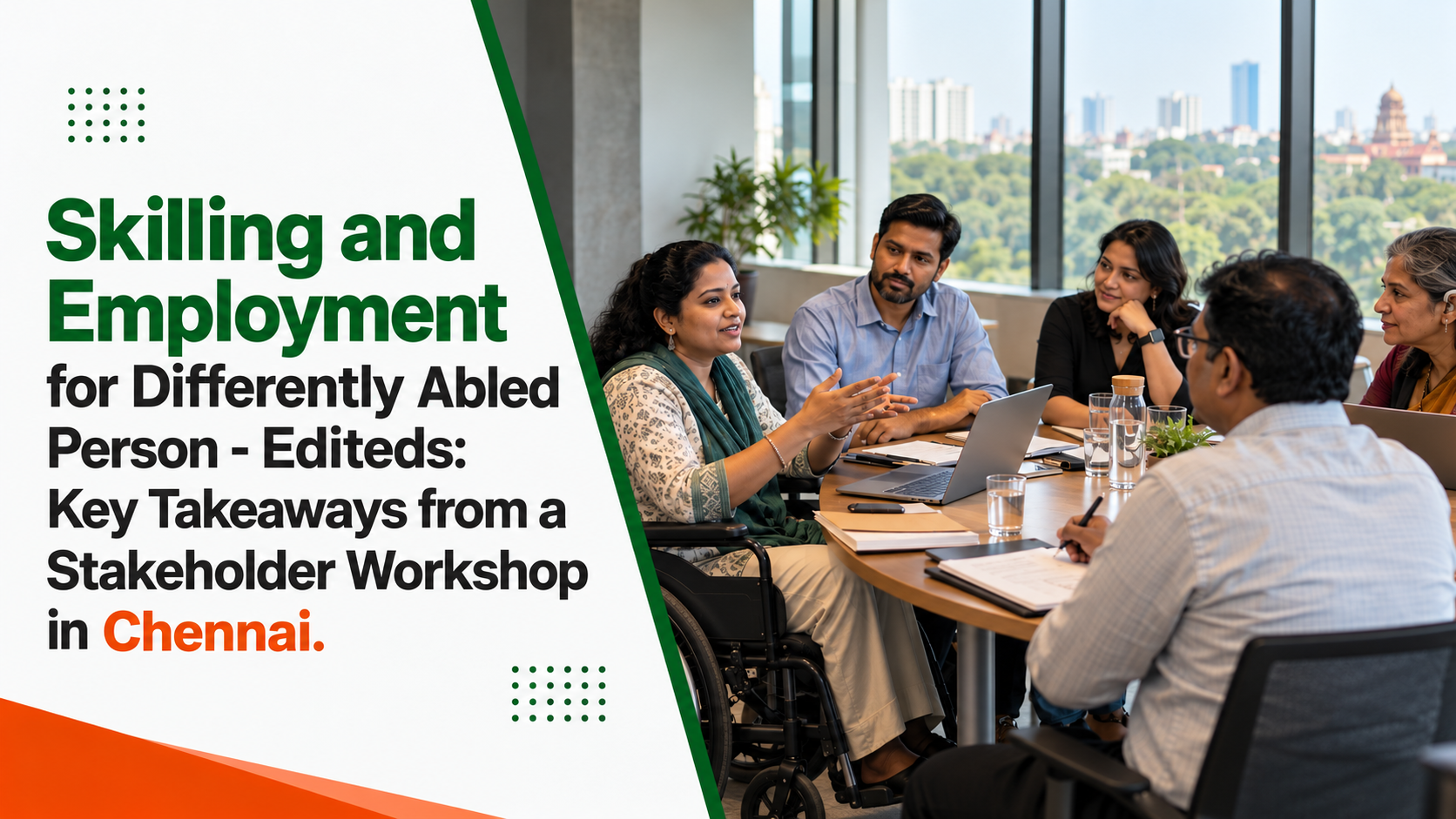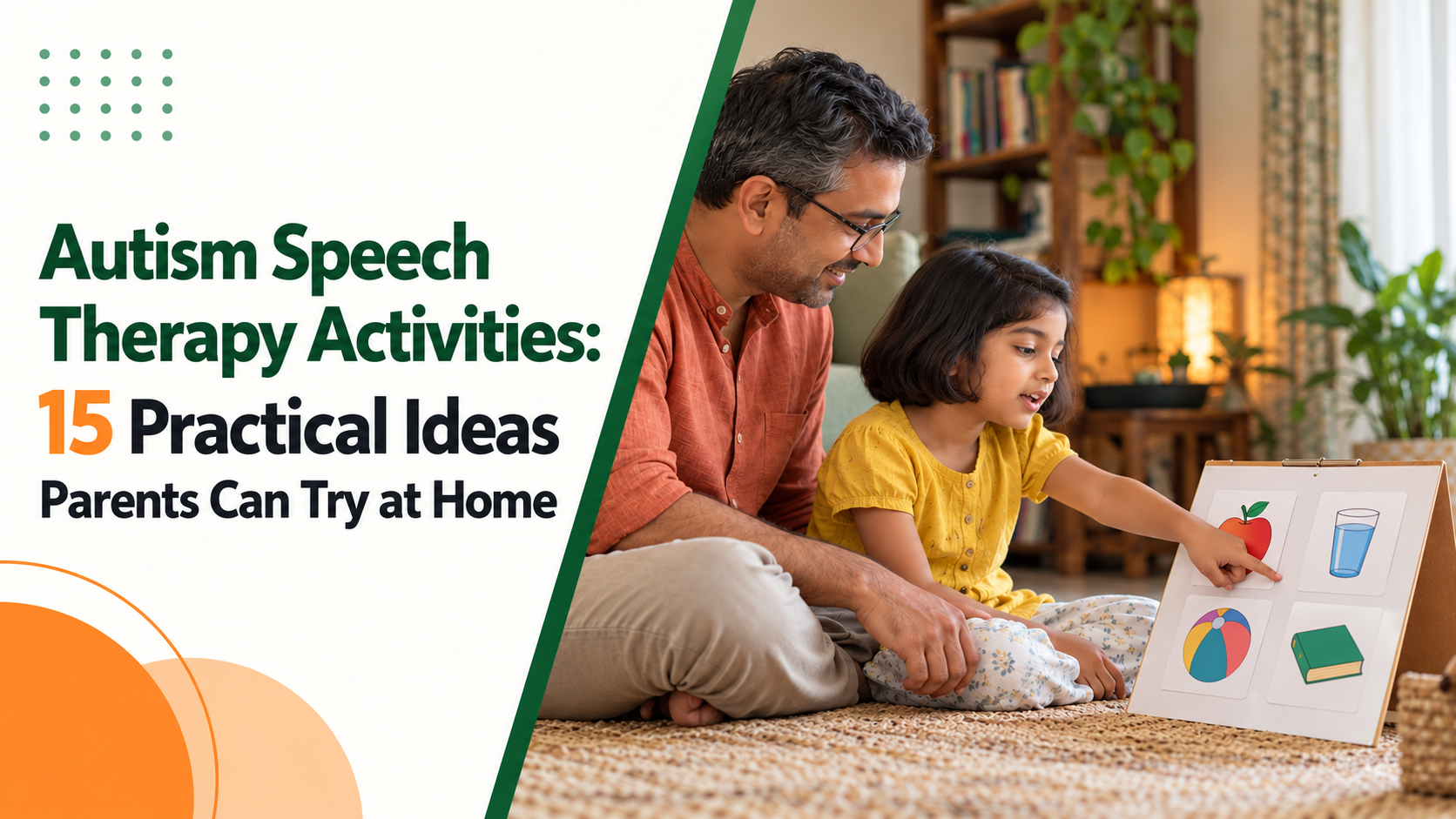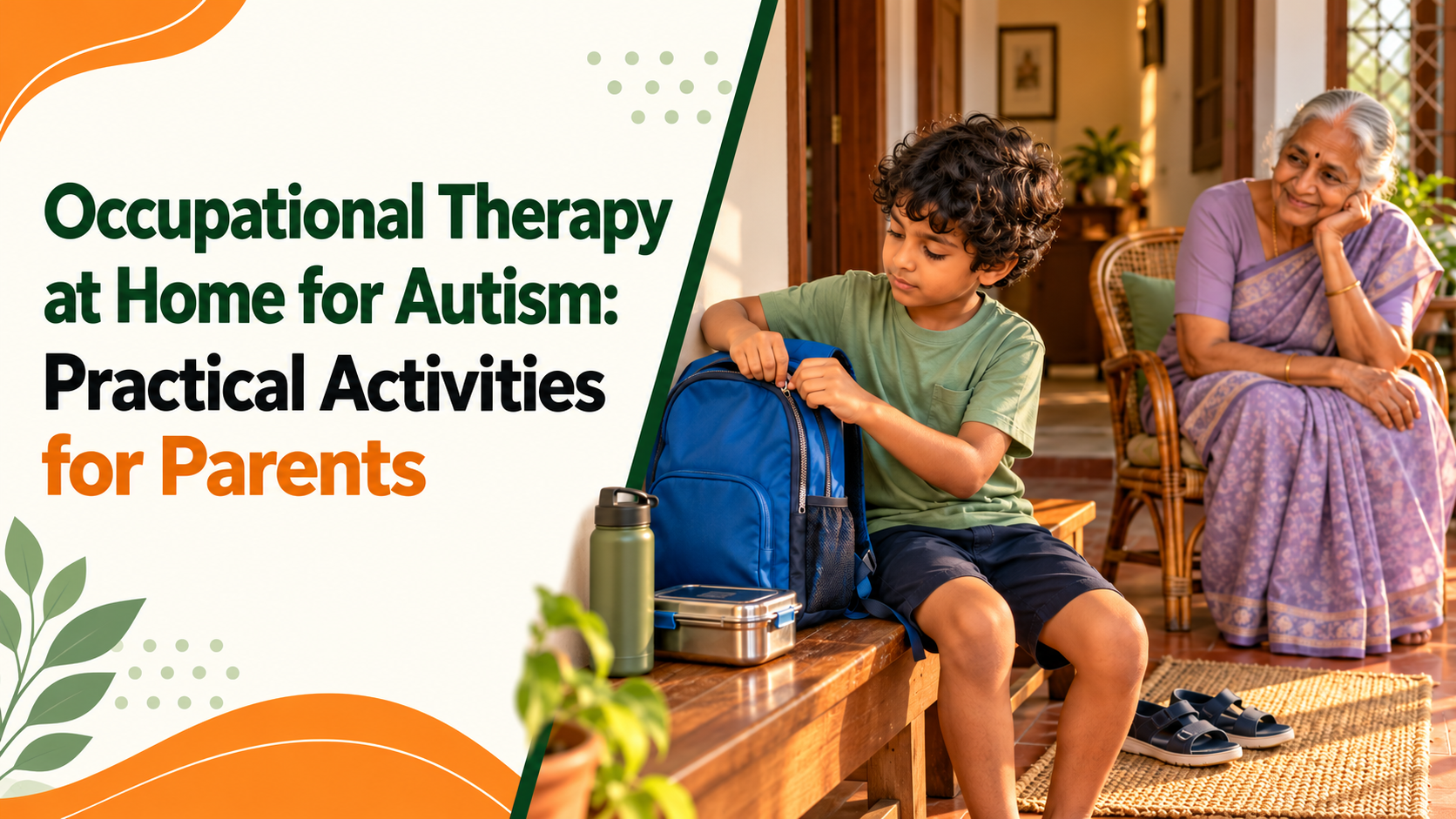
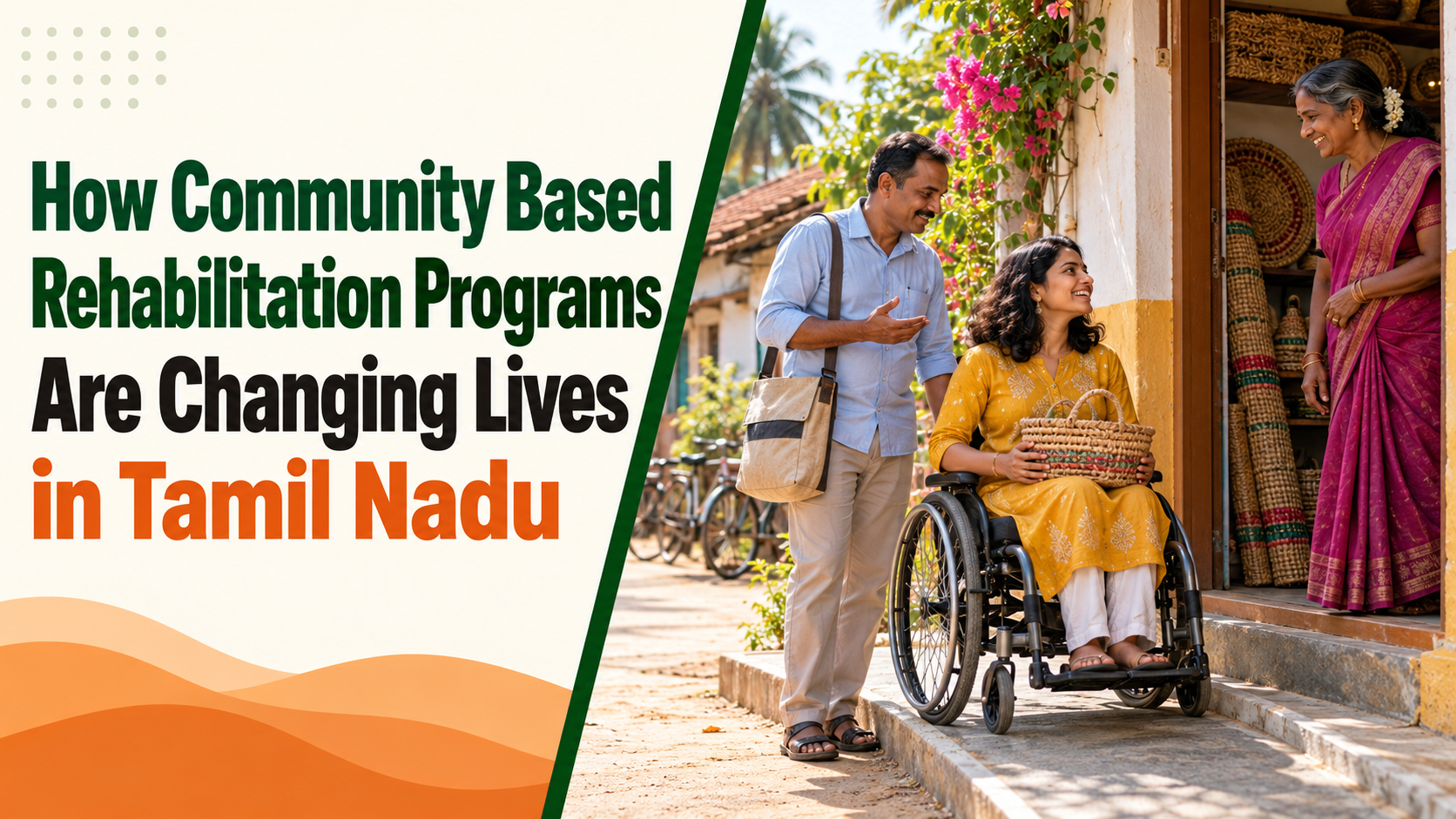
In Tamil Nadu’s evolving social landscape, community based rehabilitation initiatives are emerging as beacons of hope and transformation. These programs are reimagining how we support persons with disabilities and special needs—not just through institutions, but within the communities where people live and belong. In this in-depth article, we explore how these programs are making a real difference across Tamil Nadu, with particular attention to community based rehabilitation India, community living services in Chennai, best community living centers in Tamil Nadu, and community services for autism in Chennai — and how Prajha Trust stands as a leading example of impact.
Understanding Community Based Rehabilitation: A Grassroots Approach
Community based rehabilitation (CBR) is a strategy endorsed by the World Health Organization that emphasizes empowering persons with disabilities within their own communities rather than isolating them in institutional settings. Through four interlinked components—medical/health, education, livelihood/economic, and social inclusion—CBR works to remove barriers, build local capacity, and enhance dignity. In India, community based rehabilitation India has become a critical model, especially in under-resourced rural and semi-urban areas, because it is cost-effective, context-sensitive, and scalable. Rather than relying solely on centralized institutions, CBR leverages local resources—families, volunteers, community health workers, peer groups—to deliver accessible support close to home. In Tamil Nadu, government schemes and NGOs have increasingly adopted CBR in districts across rural blocks, providing rehabilitation services in villages, linking with primary health centers, and integrating social welfare systems.A Transformative Model: From Dependence to Community Living
One of the most powerful shifts in rehabilitation philosophy is the move from institutional care to community living services in Chennai and beyond. Instead of segregated facilities, people with disabilities, including those with intellectual, physical, or developmental challenges, can live meaningfully within society—supported by local networks, assisted living, inclusive housing, and peer support. In Chennai, these community living services often include supported homes, day-care programs, inclusion in schools, and vocational training ecosystems. When integrated with CBR strategies, the entire ecosystem supports independence, social participation, and quality of life. Across Tamil Nadu, best community living centers in Tamil Nadu are those that integrate rehabilitation, education, skills training, psychosocial support, and community linkages. These centers do more than provide shelter—they become hubs for empowerment, social interaction, and skill-building. Prajha Trust, with its Residential Autism Academy, Ayarpadi Illam, and “Azhwars Kudiyiruppu” residential units, as well as its Community Living model, exemplifies such a hub. They are actively evolving models of inclusive living, where people with disabilities can continue a dignified life with support, not isolation.Why It Matters: Turning Lives Around Through CBR in Tamil Nadu
- Greater Inclusion, Less Isolation
- Cost-Effective and Scalable
- Holistic Support Across Lifespan
- Empowering Families and Caregivers
Spotlight: Prajha Trust — Changing Narratives in Chennai & Tamil Nadu
Prajha Trust is a Chennai-based non-profit working with children with learning disabilities. Unlike many organizations that remain facility-centric, Prajha embraces a community living model and CBR principles across Tamil Nadu.Key Pillars of Prajha's Work
- Integrated Residential Autism Academy: A facility combining education, therapies, daily living skills, and social activities.
- Ayarpadi Illam: A home facility for children to live in a familial environment.
- Azhwars Kudiyiruppu: Residential units for parents and dependents, creating a supportive ecosystem.
- Community Living Model: Initiatives to ensure children can transition into community-supported living, even after founding caregivers are gone.
- Mr. Caretaker Initiative: Supporting community based care givers, financial aid for those providing local services, adopting parks/play areas as inclusive spaces.
- Parent Training Academy: Workshops, online guides, and capacity building for parents, raising awareness and skill in supporting children with disabilities.
Challenges & Enablers: What Gets in the Way — and What Helps
Barriers
- Resource constraints and funding gaps: Many CBR programs depend heavily on external or donor funding, limiting continuity.
- Lack of trained community workers: Skilled personnel are needed at grassroots levels.
- Stigma and social attitudes: Families sometimes conceal disability; communities may resist inclusion.
- Monitoring, evaluation, standardization: Evidence is still emerging, and measuring impact is complex.
- Policy fragmentation: Services are split across health, education, social welfare—coherence is often missing.
Enablers of Success
- Strong community ownership: When local leaders, families, persons with disabilities contribute to planning, programs stick.
- Integration with government schemes: Linking CBR with state social welfare, health, and disability schemes anchors sustainability.
- Capacity building & training: Investing in community rehabilitation workers, peer groups, volunteer networks.
- ICT and tele-rehabilitation: Remote guidance, teletherapy, mobile apps help reach remote areas.
- Advocacy and awareness: Reducing stigma, increasing demand for inclusion.
Case Stories: Lives Transformed Through CBR
Village in Southern Tamil Nadu — From Isolation to Participation
In a cluster of villages in the Tirunelveli district, a CBR pilot was launched, supporting children with cerebral palsy, intellectual disability, and mobility impairments. Community workers visited homes, trained parents, linked to primary health centers for assistive devices, arranged inclusive schooling. Within two years, many children were attending schools, parents forming self-help groups, and social barriers reduced.Chennai – Autism Inclusion Through Prajha Community Living
A young adult with autism, after finishing school, was slated to move into isolation. Through Prajha’s community living services, she became part of a supported-living cluster with peers, local mentors, vocational training, and therapy continuity. Her life now includes meaningful work, friendship, and independence.Block-level CBR in Tamil Nadu’s Interior
In rural Tamil Nadu, where formal institutions are far, CBR workers bring therapy kits, conduct group rehabilitation sessions, and enable micro-enterprises for disabled youth. Some have started tailoring units, small shops, or digital services with simple adaptations, improving income and social standing.Scaling Forward: Roadmap for Tamil Nadu’s Future
To amplify impact, Tamil Nadu can focus on:- Expanding CBR coverage to all districts Ensuring every block has a trained CBR team linked with health and social services.
- Supporting and replicating models like Prajha Trust Encouraging seed funding, collaborations, mentorship to replicate best community living centers in Tamil Nadu.
- Strengthening policy & budget support Allocating dedicated disability CBR funds, integrating into state health and education plans.
- Creating networks of practice Connecting NGOs, community groups, universities, and government for sharing standards, training, and monitoring.
- Measuring outcomes rigorously Using robust evaluation frameworks to document impact, refine techniques, and build credibility.
- Increasing public awareness and inclusion culture Campaigns, school inclusion drives, media stories to shift public perception.
- Incorporating technology and remote services Teletherapy, mobile apps, assistive tech that extend reach to remote hamlets.
Conclusion: A New Narrative of Inclusion
Community based rehabilitation programs in Tamil Nadu are doing more than offer services—they are rewriting narratives. From remote villages to Chennai’s neighborhoods, these initiatives, anchored by organizations like Prajha Trust, are shifting mindsets and outcomes. They show us that with community power, empathy, policy support, and careful design, people with disabilities can lead full, engaged lives within society.Frequently Asked Questions
-
What is Community Based Rehabilitation (CBR) and how does it work in Tamil Nadu?
-
How does Prajha Trust support community based rehabilitation in Chennai and Tamil Nadu?
-
What are the benefits of community living services in Chennai for persons with disabilities?
-
Which are the best community living centers in Tamil Nadu?
-
What community services are available for autism in Chennai?
Prajha Trust Clinical Guidance & Support
Every child’s developmental milestones are unique. If you have questions regarding speech articulation, occupational motor therapy, or autism behavioral support, our dedicated clinical specialists are here to guide your family.
About Prajha Trust
Prajha Trust is a registered non-profit organization in Tamil Nadu dedicated to autism spectrum care, early intervention, occupational therapy, and fostering an inclusive society.