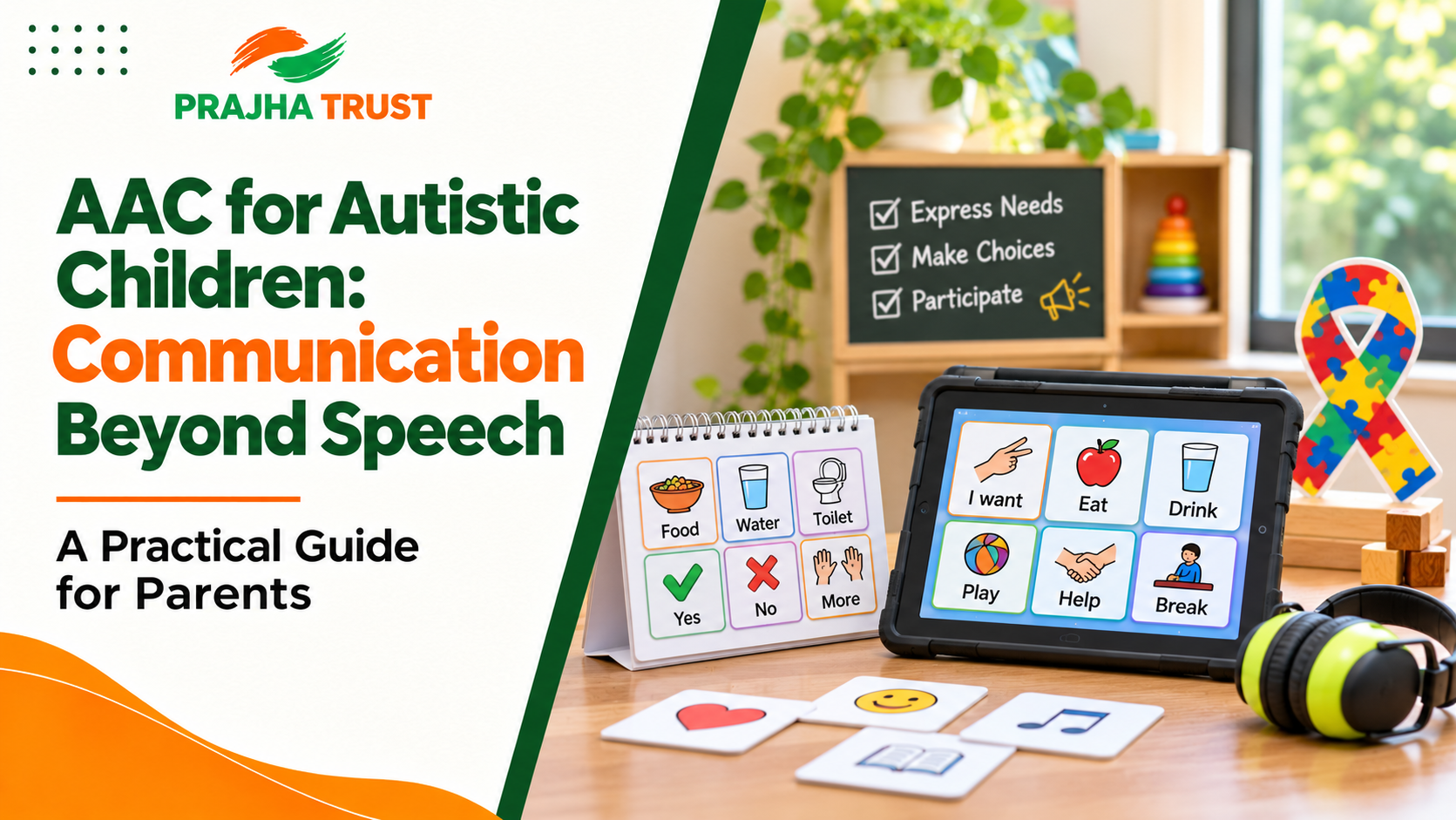

Early identification of autism spectrum disorder (ASD) allows families to access specialized therapies during the most transformative windows of early childhood development. When interventions begin between 18 months and 4 years of age, neural plasticity allows children to make profound developmental leaps.
Why Early Detection Matters More Than Ever
The human brain undergoes rapid synaptic development in the first five years of life. Developmental pediatricians emphasize that early therapy does not aim to alter a child's unique neurotype; rather, it equips them with essential communication channels, emotional regulation strategies, and sensory integration tools.
"Our job as parents and therapists is not to cure neurodivergence, but to provide children with the social, emotional, and sensory scaffolding they need to thrive."
Common Early Indicators to Observe
While every child develops on their own unique timeline, pediatric researchers highlight several milestone variations that warrant closer evaluation:
- Response to Name: By 12 months, consistently turning toward a parent’s voice or familiar family member’s call.
- Joint Attention & Pointing: Pointing to objects of interest (e.g., an airplane in the sky or a toy) by 14 months to share interest with a caregiver.
- Eye Contact & Facial Expressions: Subtle or fleeting eye contact during social engagement or reciprocal play.
- Repetitive Movements & Stimming: Hand-flapping, rocking, finger-flicking, or pacing, especially during moments of excitement or distress.
- Intense Fixation: A deep, focused fascination with specific mechanical components (such as spinning wheels) rather than imaginative play.
Speech & Language Milestones
Language delays are frequently the first sign noticed by parents. Look for whether your child babbling before 12 months, using single words by 16 months, or constructing spontaneous two-word phrases by age two.
In addition to spoken language, observe non-verbal communication: does your child use gestures like waving goodbye, nodding, or reaching out to be picked up?
Sensory Processing Patterns
Children on the autism spectrum often experience sensory inputs differently. Some may be hypersensitive to fluorescent lighting, loud blender sounds, or clothing tags, experiencing genuine physical distress. Others may be hyposensitive, seeking intense vestibular input such as spinning, jumping, or deep pressure.
Recommended Steps for Parents
If you observe several of these traits in your toddler, taking proactive, compassionate steps ensures timely support:
- Schedule a Developmental Screening: Consult with a developmental pediatrician or child psychologist specializing in autism assessments.
- Attend Prajha Free Screening Camps: Prajha Trust conducts regular, complimentary diagnostic and therapeutic evaluation camps across Chennai and Tamil Nadu.
- Initiate Early Intervention: You do not need to wait for a formal diagnosis to begin sensory play, speech exercises, and occupational therapy sessions.
- Build a Strong Home Routine: Consistent visual schedules and calm sensory corners help reduce anxiety and meltdowns.
Prajha Trust Clinical Guidance & Support
Every child’s developmental milestones are unique. If you have questions regarding speech articulation, occupational motor therapy, or autism behavioral support, our dedicated clinical specialists are here to guide your family.
About Prajha Trust
Prajha Trust is a registered non-profit organization in Tamil Nadu dedicated to autism spectrum care, early intervention, occupational therapy, and fostering an inclusive society.